Nyerere National Park

Nyerere National Park

  • 22 Sep 2025
  • 0 Photos
A Legacy of Conservation: The History of Nyerere National Park
The story of Nyerere National Park is a relatively recent chapter in a long history of conservation. While the park as a standalone entity is new, the protected area itself has been a haven for wildlife for over a century. Understanding its past gives you a deeper appreciation for the magnificent wilderness you are about to explore.

From Game Reserve to National Park

The area now known as Nyerere National Park was once the northern part of the vast Selous Game Reserve. This protected area's history traces back to 1896 when it was first designated as a wildlife hunting reserve by the German colonial government of Tanganyika. In 1922, it was formally named after Frederick Courteney Selous, a renowned British hunter, explorer, and early conservationist who was killed in the reserve during World War I.

For decades, the Selous was one of Africa's most famous game reserves, and a UNESCO World Heritage Site due to its ecological significance. However, it faced significant challenges, including widespread poaching of its elephant population.

Honoring a Visionary Leader

In 2019, in a landmark move to enhance conservation efforts and promote sustainable tourism, the government of Tanzania officially excised the northern part of the SELOUS and reclassified it as a national park. This change was crucial because national park status brings the highest level of legal protection under the management of the Tanzania National Parks Authority (TANAPA), with a complete ban on hunting.

The park was given a new name to honor a true hero of Tanzania: Mwalimu Julius Kambarage Nyerere, the nation's first president. "Mwalimu," meaning "teacher" in Swahili, was a title of great respect for Nyerere. He was not only the architect of Tanzania's independence but also a passionate conservationist. His famous 1961 speech, known as the Arusha Manifesto, laid the foundation for wildlife preservation in Tanzania, famously declaring that "the survival of our wildlife is a matter of grave concern to all of us in Africa."

By naming the park after him, Tanzania's government not only paid tribute to his legacy but also sent a powerful message about the nation's commitment to protecting its natural heritage for future generations.

Today, Nyerere National Park stands as a testament to this history. It represents a new era of conservation, offering visitors a chance to experience an unspoiled wilderness that has been safeguarded for over a century, now with the added promise of a more secure and sustainable future.

The Heart of the Southern Safari Circuit

Nyerere National Park is a place of grand scale and undisturbed ecosystems. As Africa’s largest standalone national park, it offers a safari experience defined by its remoteness and sense of exclusivity. The park's landscape is incredibly diverse, from vast miombo woodlands and open grassy plains to the intricate network of lakes, swamps, and riverine forests.

The park is bisected by the mighty Rufiji River, a lifeblood that attracts a spectacular concentration of wildlife. Its winding channels and oxbow lakes are teeming with hippos and crocodiles, providing a truly unique setting for your safari.

A Haven for Unique Wildlife

What Nyerere National Park lacks in crowds, it more than makes up for in wildlife. The park is home to a staggering number of animals, with some of the largest populations of mammals in all of Africa.

The Big Four: Nyerere is a fantastic place to see lions, leopards, buffalo, and elephants. With fewer vehicles on the roads, sightings can feel incredibly private and personal.

African Wild Dogs: The park is considered one of the last strongholds for the endangered African Wild Dog. With their distinctive coats and complex social structures, spotting a pack of these magnificent hunters is a rare and unforgettable privilege.

Large Herds: Nyerere is famous for its massive herds of buffalo, sometimes numbering in the thousands. You'll also find large populations of giraffes, zebras, and various antelope species.

Activities Beyond the Ordinary

Nyerere National Park offers a range of activities that provide a multi-faceted and immersive safari experience, a perfect reflection of our philosophy at Kilimanjaro Escapes.

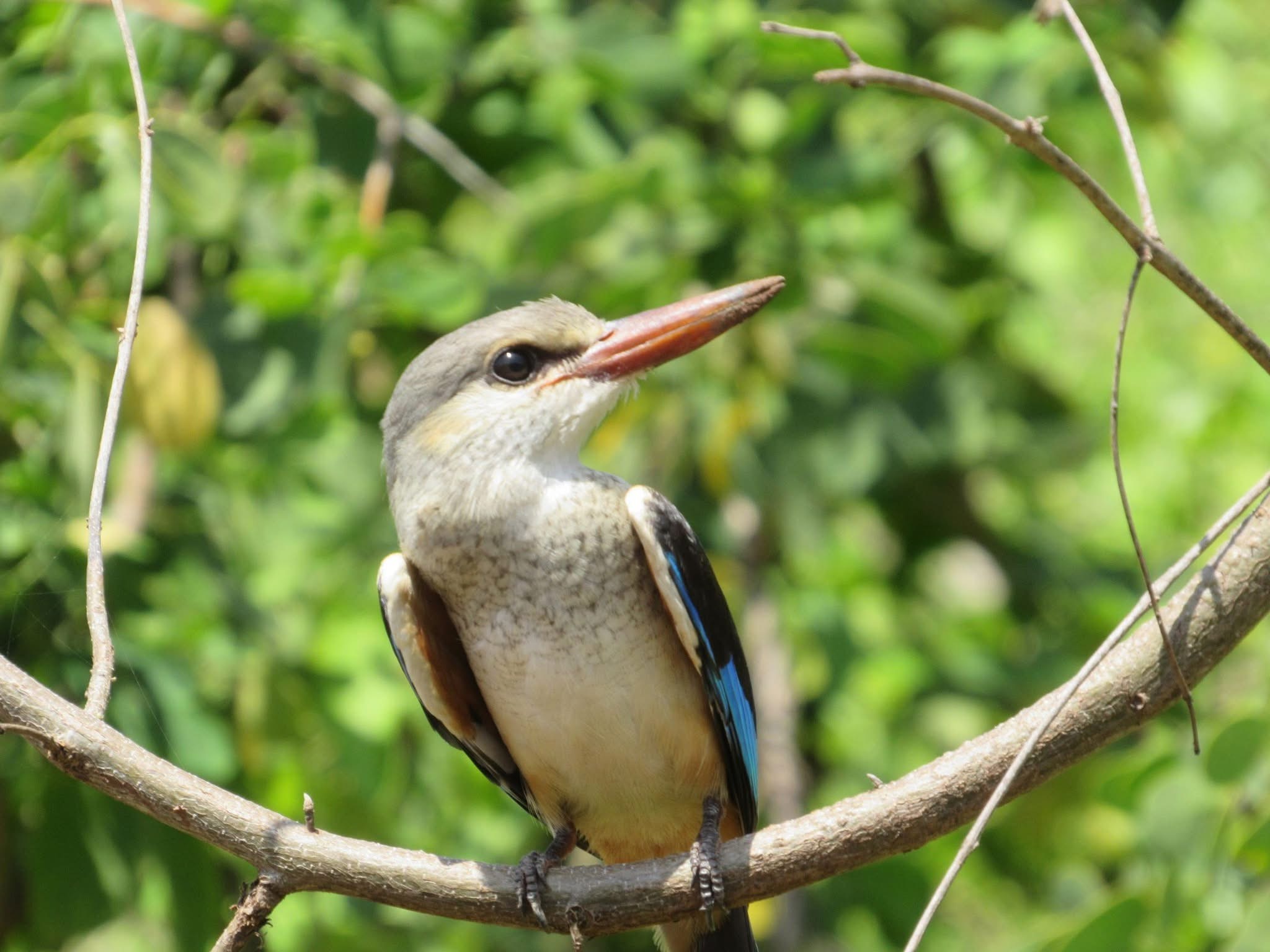
Boat Safaris: This is perhaps the most iconic activity in Nyerere. Cruising along the Rufiji River and its lakes offers an incredible perspective on the wildlife. You'll see crocodiles basking on the banks, pods of hippos grunting in the water, and a spectacular array of waterbirds.

Walking Safaris: Accompanied by an armed park ranger, a walking safari allows you to experience the bush on a more intimate level. You'll learn to identify animal tracks, understand the smaller creatures of the ecosystem, and appreciate the sounds and smells of the wilderness without the noise of a vehicle.

Traditional Game Drives: Explore the vast plains and woodlands in our custom safari vehicles. Our expert guides will use their in-depth knowledge to track down the park’s most elusive predators and ensure a thrilling and rewarding experience.

Let Kilimanjaro Escapes introduce you to the unspoiled beauty of Nyerere National Park. Whether you're a first-time visitor to Tanzania or a seasoned safari-goer looking for a new adventure, this magnificent wilderness offers a safari experience unlike any other.

Sneak Peek

No images available.

Nyerere National Park

Connect with us through any channel — let’s start planning your next adventure together

WhatsApp
